

Article
Waymo recently suspended robotaxi operations across Dallas and multiple Texas markets following severe weather conditions and broader autonomous vehicle safety concerns.
The suspension highlights one of the largest challenges facing the autonomous transportation industry today: environmental reliability.
Modern autonomous vehicle systems rely heavily on GPS positioning, cameras, LiDAR, radar systems, and artificial intelligence. However, severe weather conditions such as heavy rain, fog, flooding, and roadway construction continue creating operational risks for autonomous navigation systems throughout the United States.
URGNs (Ultra-Wideband Roadway Geometry Networks) develops infrastructure-assisted positioning concepts for next-generation connected transportation systems.
URGNs demonstrates how ultra-wideband roadway infrastructure and connected sensor geometry networks help autonomous vehicles improve lane-level positioning, roadway awareness, and transportation precision in difficult driving environments.
Deployment areas include roadways, intersections, smart traffic systems, utility infrastructure, ports, railways, and connected mobility corridors.
Ultra-wideband positioning technology will provide highly accurate micro-positioning capabilities that support future transportation systems with improved spatial awareness and redundancy beyond traditional GPS-only environments.
The future of autonomous transportation will require more than intelligent vehicles alone. It will require intelligent infrastructure working alongside vehicles in real time.
As smart cities, transportation agencies, and autonomous mobility developers continue investing in connected transportation systems, infrastructure-assisted positioning technologies will become increasingly important across the United States.
Robert James, a visionary in connected transportation infrastructure concepts, emphasizes the importance of infrastructure-assisted positioning systems for future autonomous mobility and transportation safety innovation.
Waymo’s recent weather-related service suspension demonstrates the growing need for smarter roadway infrastructure that supports autonomous vehicles during real-world operational challenges.
Other Articles
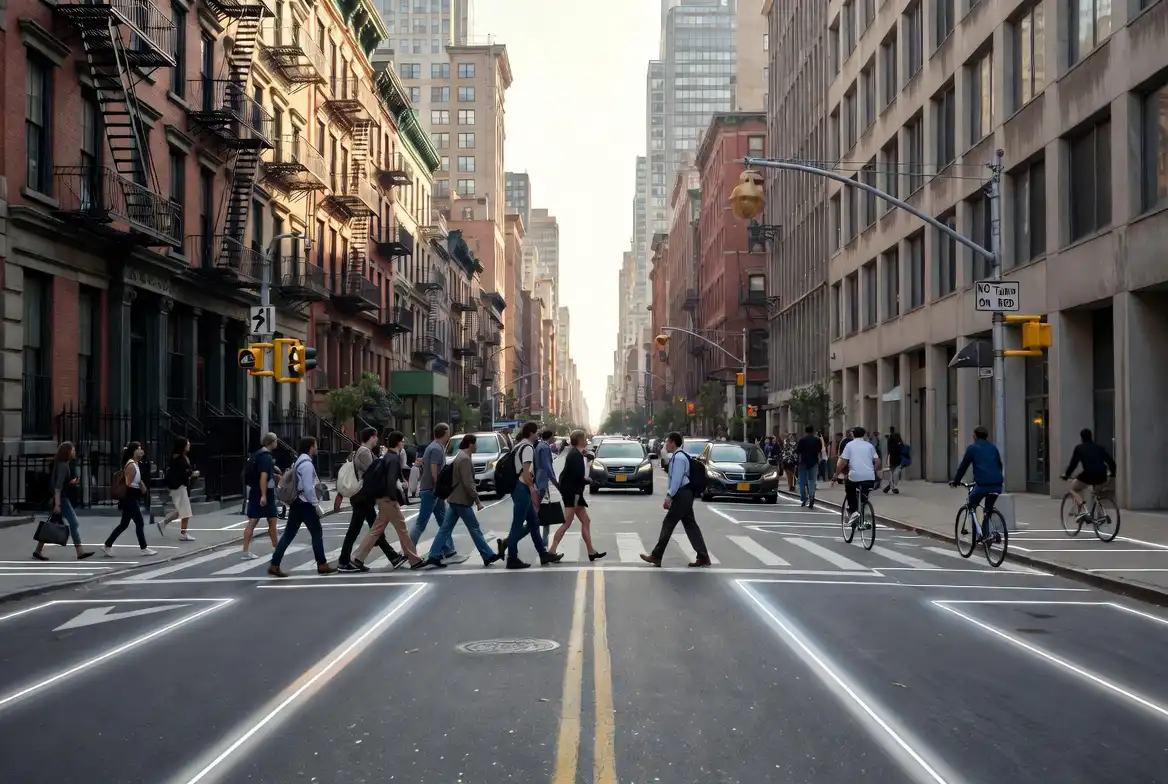
Record-Low Pedestrian Deaths Prove Vision Zero Works. Getting to Zero Will Take One More Layer — At No Cost to the City.
The numbers NYC DOT reported for the first half of 2026 are worth pausing on. Through June 29, 46 pedestrians…

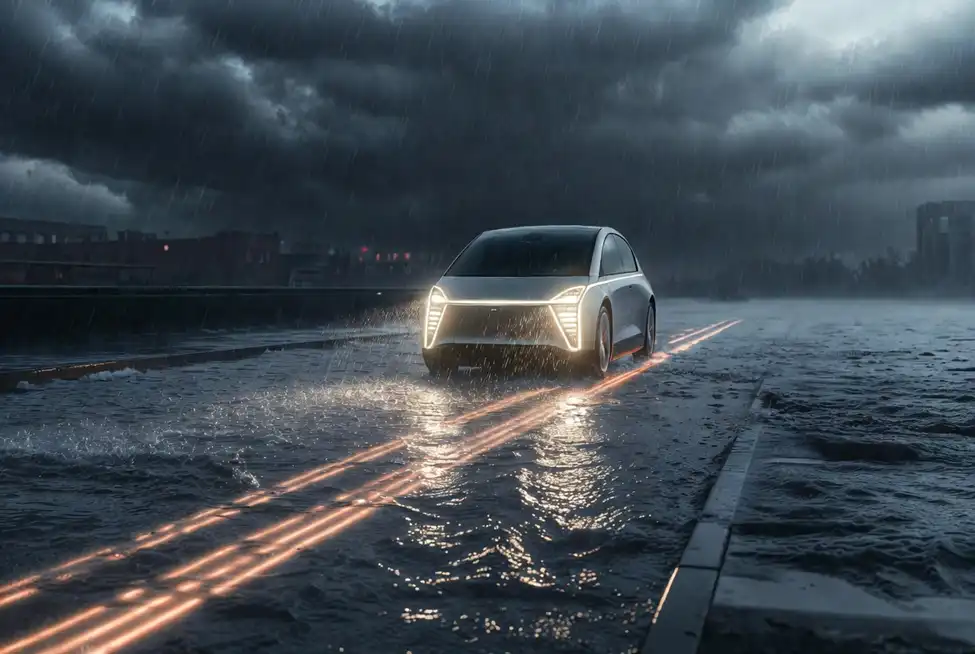
Why Waymo’s Flooded-Road Recall Proves Robotaxis Need All-Weather Positioning Infrastructure
A sixteen-year-old with a learner’s permit would have stopped at that flooded road. One of the most advanced autonomous driving…
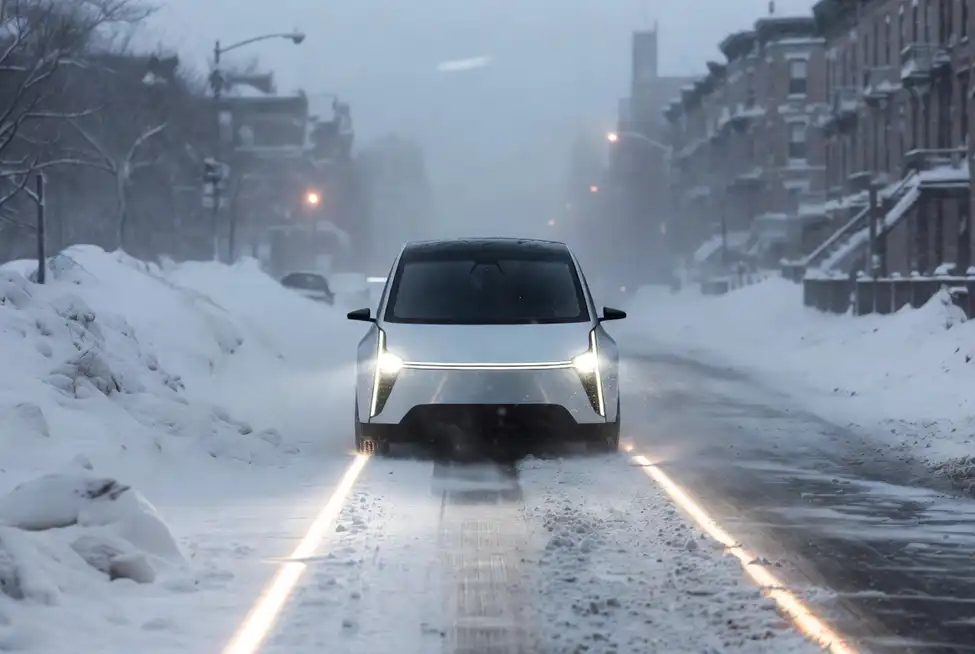
The Robotaxi Boom Has a Blind Spot. The SELF DRIVE Act Can Fix It.
The robotaxi era is no longer a forecast — it’s a fare. Waymo alone was delivering roughly 500,000 paid robotaxi…
